Posts

Showing posts with the label Acid Dyes

Understanding Dyes: Types, Applications, and Their Role in Various Industries
Image
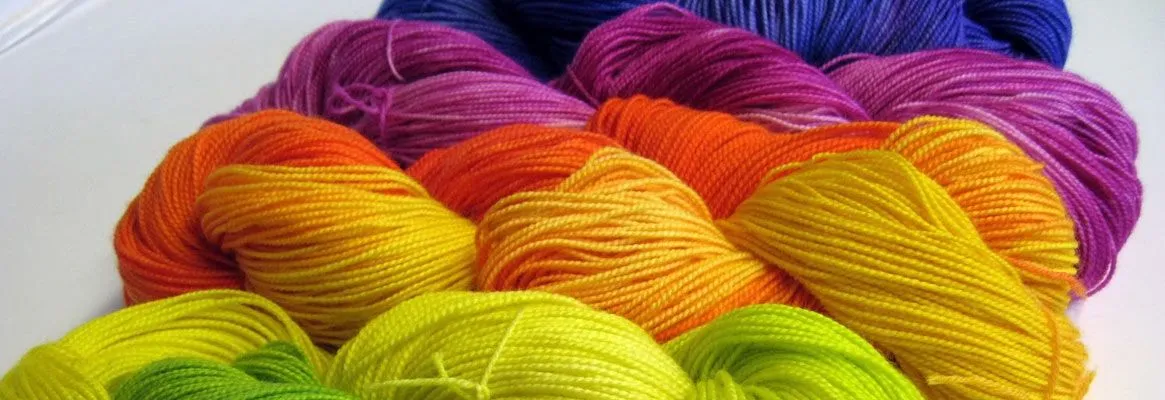
  Dyes are a key ingredient in many different industries, including textiles, paper, leather, and plastics. As chemical species, they impart color when fibrous material chemically bonds with them or absorbs the color on their surfaces. Over the years, the technology accompanying the dyeing process has progressed significantly, with the most recent development of reactive dyes and other advanced dyeing techniques. Meghmani Global is one of the leading manufacturers of dyes and intermediates offering high-quality products for various industrial applications. Read our blog on Different Types of Dyes with Chemical Structure Types of Dyes: Dyes can be categorized based on their chemical properties and application methods. Some of the most common types include: Reactive Dyes : These dyes form a very strong covalent bond with textile fibers, thus making them very wash-resistant and durable. Reactive dyes are widely used for the dyeing of cellulose fabrics as well as for dyeing of cotto...
Why Dyes and Pigments are Essential for Paper Coloring and Finishing

Image
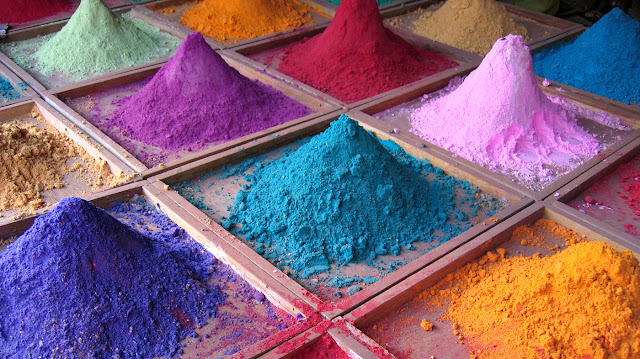
Most people have wondered how the sheets of paper acquire their beautiful colors or why certain sheets are glossy and vibrant, while others look so plain. The answer lies in the magic of dyes and pigments . These colorants are the heart of the paper industry, making sure that everything from packaging and books to decorative and specialty papers looks exactly how it’s supposed to. Let’s take a closer look at why they matter so much and how they make a difference. What Exactly are Dyes and Pigments? Dyes are like a liquid that seeps into the fibers of the paper. Because they are soluble, they spread evenly, creating bright, bold, and consistent colors. Imagine some highly colored pages of magazines or colored wrapping papers; those often use dyes. Examples of such dyes are acid dyes, direct dyes, and reactive dyes. Pigments , on the other hand, are tiny particles that coat the surface of the paper. They are not soluble, so they sit on top and create a layer of color. Pigments are idea...

Comprehensive Guide to Different Types of Dyes and Their Chemical Structures

Image
  Dyes are integral to industries like textiles, paper, plastics, and leather, providing a diverse palette of colors and properties tailored to specific needs. This guide delves into various dye types, their characteristics, and their chemical structures. Meghmani Global, a prominent manufacturer and supplier of dyes, plays a vital role in delivering sustainable and high-quality dye solutions worldwide. 1. Natural Dyes Source : Derived from natural substances like plants, minerals, and insects. Examples : Indigo (from plants), cochineal (from insects). Applications : Eco-friendly options for textiles, food coloring, and cosmetics. Chemical Structure : Composed of complex organic molecules like anthraquinones and flavonoids. 2. Synthetic Dyes Source : Produced chemically from petroleum derivatives. Advantages : Vibrant colors, higher durability, and cost-effectiveness. Categories : Includes several subtypes such as azo dyes and anthraquinone dyes. Chemical Structure : Often includes...